
Orthopedic manual therapy is a specialized form of physical therapy that focuses on diagnosing and...
If you are an active adult or athlete in San Antonio, you know how frustrating it is to be sidelined by pain. Whether it is a stubborn case of runner's knee or a chronic lower back issue, the first question on your mind is almost always: how long until I feel better?
At Maverick Manual Therapy & Performance, we understand that you do not just want to mask the pain. You want to get back to the gym, the trail, or the golf course as quickly as possible. Manual therapy is a powerful tool to help you get there, but understanding the realistic timeline is key to setting the right expectations and achieving your goals.
The 'Honeymoon Phase' vs. Lasting Systemic Change
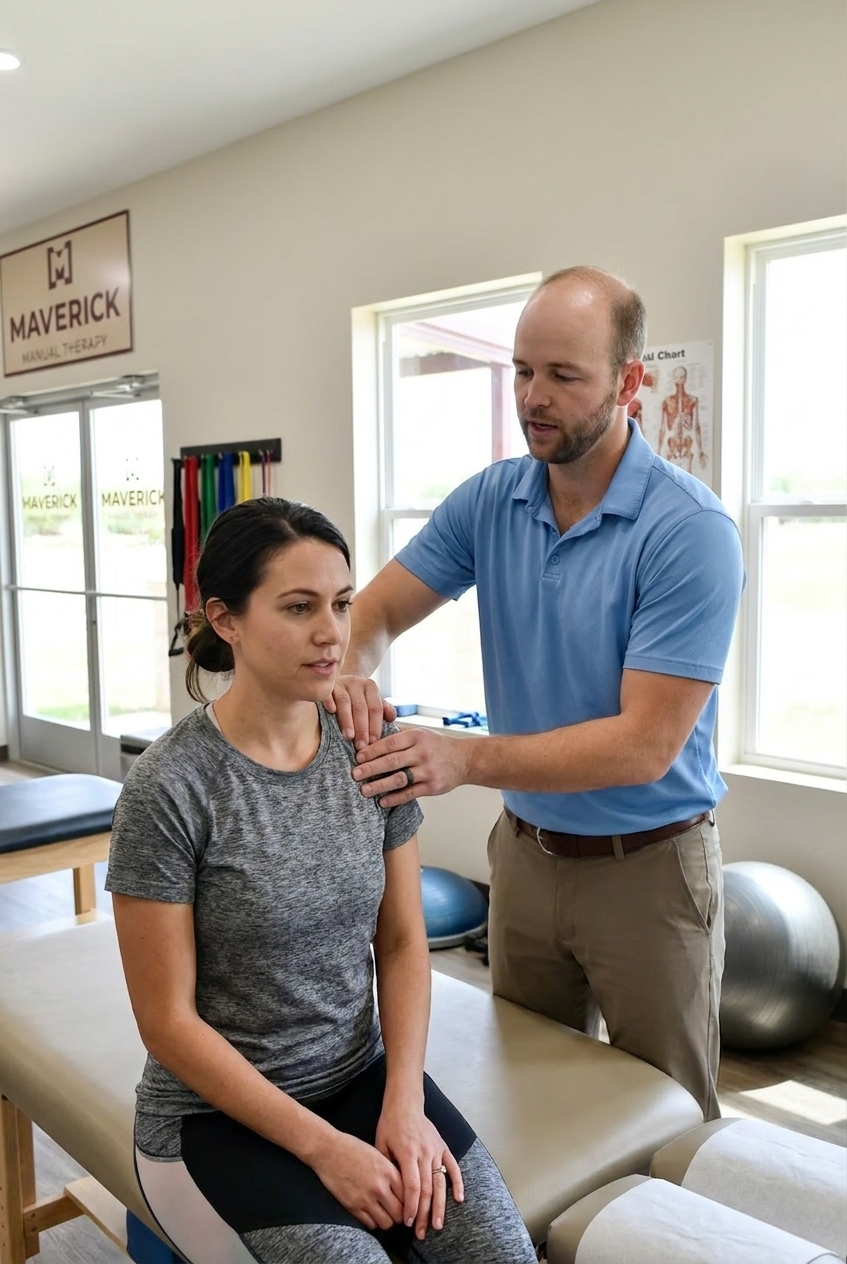
One of the reasons manual therapy is so popular among athletes is that it often produces immediate results. It is common to experience a significant reduction in pain or a noticeable increase in range of motion after just one session of joint mobilization or myofascial release. This is often referred to as the "honeymoon phase."
During this phase, treatment is essentially hitting a reset button on your nervous system and clearing acute physical restrictions. However, this initial relief is not always a permanent fix on its own. Lasting change involves breaking long-standing compensatory movement patterns and building tissue resilience over time. True structural integrity is a process, not a single event.
Key Factors That Influence Your Manual Therapy Timeline
No two bodies are the same. Several factors determine how quickly you will see sustainable progress.
- Severity and type of injury: A minor muscle strain typically resolves much faster than a complex labral tear, sciatica, or Achilles tendinopathy.
- Chronicity of the condition: If you have been managing neck pain or low back pain for years, your body has likely developed deep-seated movement compensations that take more time to address than a fresh injury.
- Activity level and goals: Returning to a desk job requires a different rehabilitation pathway than returning to high-impact sport or marathon training. A running gait analysis or functional movement assessment can help clarify exactly what that pathway looks like for you.
- Adherence to your plan: Your consistency with prescribed therapeutic exercise and home movements is one of the most significant factors in how quickly you recover.
The Maverick Manual Therapy & Performance Approach
The reason many patients achieve faster results at Maverick Manual Therapy & Performance is a commitment to a root-cause approach. Treatment does not simply target where it hurts. A full-body functional movement assessment is performed to identify why that area is being overstressed in the first place.
Every session is true one-on-one care, with no aides or assistants involved. This allows for real-time adjustments to your treatment plan, maximizing efficiency and keeping your recovery moving forward at every visit.
Manual Therapy Modalities and What to Expect
Different techniques work on different systems, and their timelines vary accordingly.
Dry Needling and Trigger Point Therapy
Dry needling and trigger point therapy are highly effective for releasing deep muscular tension. Many patients notice a release immediately, though it may take two to four sessions to fully stabilize a hyper-irritable muscle group. These techniques are commonly used alongside soft tissue mobilization for conditions like IT band syndrome, hamstring strains, and plantar fasciitis.
IASTM and Soft Tissue Work
IASTM (Instrument-Assisted Soft Tissue Mobilization), including scraping techniques, addresses fascial restrictions and scar tissue buildup. Some temporary soreness is normal after treatment, but improvements in tissue pliability and movement quality are typically felt within a handful of sessions.
Joint Mobilization and Manipulation
These techniques restore optimal mechanics to stiff or restricted joints. The mechanical change can feel immediate, but several weeks of follow-up work are typically needed to build the strength and stability required to support and maintain that new range of motion. This is especially relevant for conditions like frozen shoulder, hip impingement, and TMJ pain.
Cupping and Myofascial Release
Cupping and myofascial release are used to decompress soft tissue, improve circulation, and reduce tension throughout the fascial system. These modalities complement hands-on joint work and are often integrated into a broader treatment plan depending on your specific presentation.
What You Can Do to Accelerate Your Results
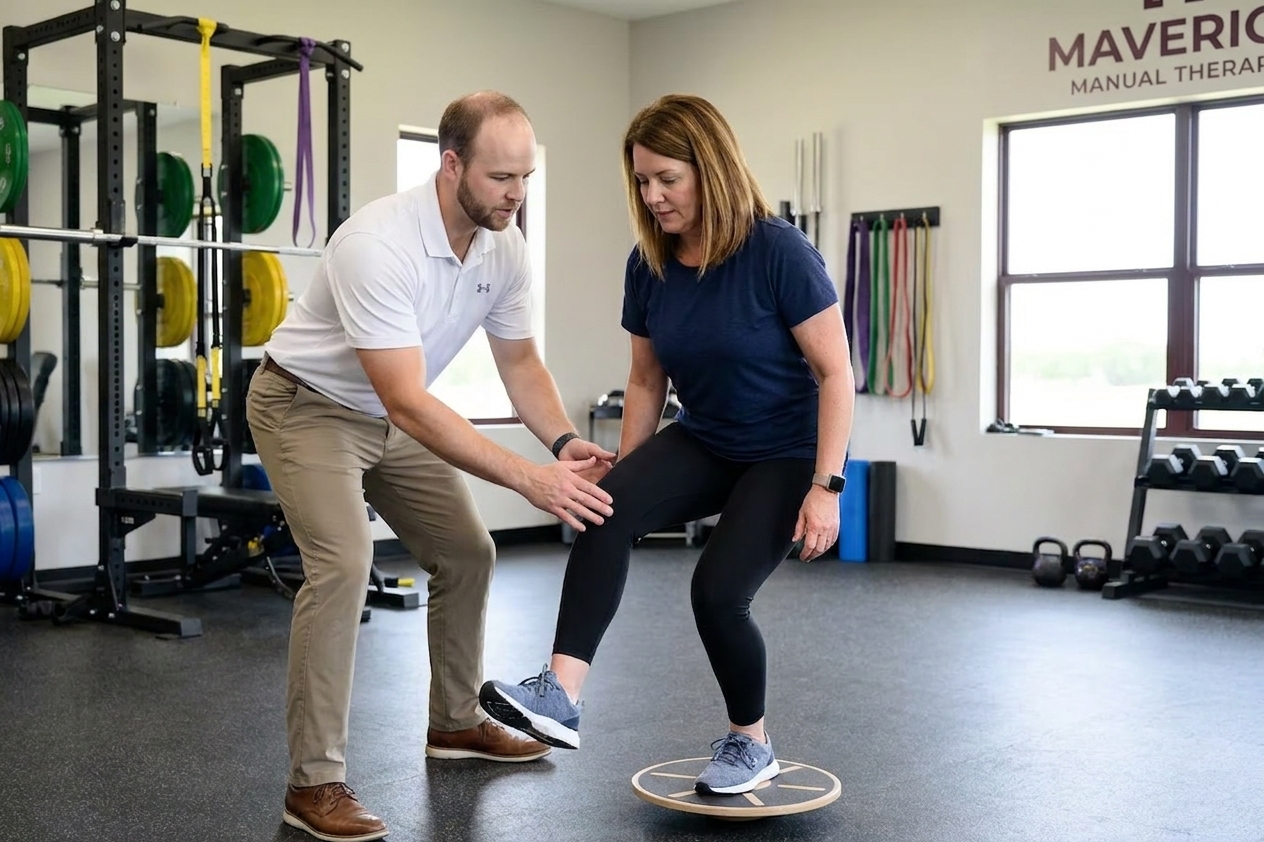
Manual therapy is a partnership. The work done in the clinic creates the conditions for change, but what you do between sessions determines how well those changes hold.
- Follow your prescribed therapeutic exercise program consistently.
- Prioritize sleep and recovery, as tissue healing happens outside of the clinic.
- Communicate openly about what is and is not working so your plan can be adjusted accordingly.
- If you are a runner, take advantage of a running form assessment or running gait analysis to address biomechanical contributors to your pain.
Adherence to these habits is how you lock in the gains made during your manual therapy sessions and reduce the likelihood of re-injury.
Ready to Start Your Recovery?
You do not have to settle for a slow, uncertain recovery when your care is targeted and expert-led. While every healing journey is unique, the specialized approach at Maverick Manual Therapy & Performance is designed to get you back to your active lifestyle with focused, efficient treatment.
Ready to stop guessing and start a clear path forward? Schedule a consultation at Maverick Manual Therapy & Performance in San Antonio, TX, and experience the difference of expert, one-on-one manual therapy.